It
has a permanent population of less than 100 but it is the gateway to
the Spurn peninsula and the YWT nature reserve which attracts about
30,000 visitors a year. The opening in 2018 of a new visitor
centre caused some disquiet among the residents.
Kilnsea
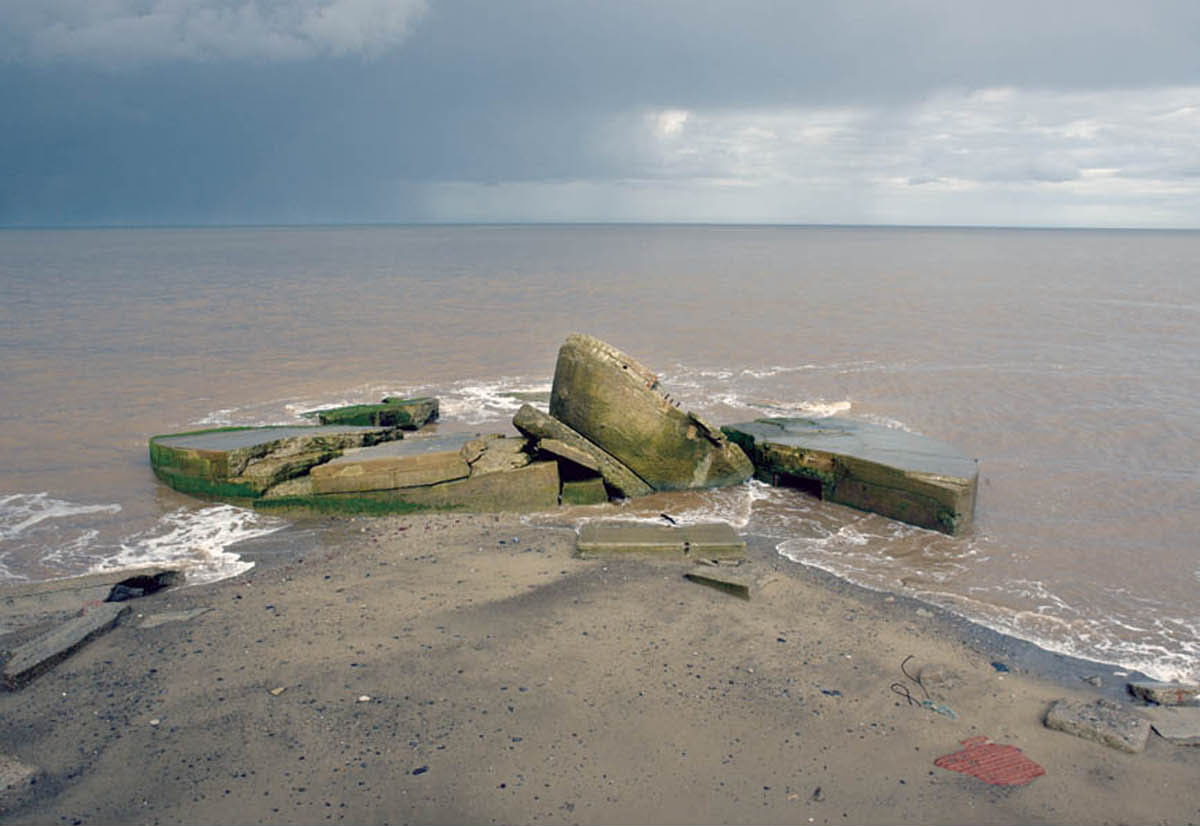
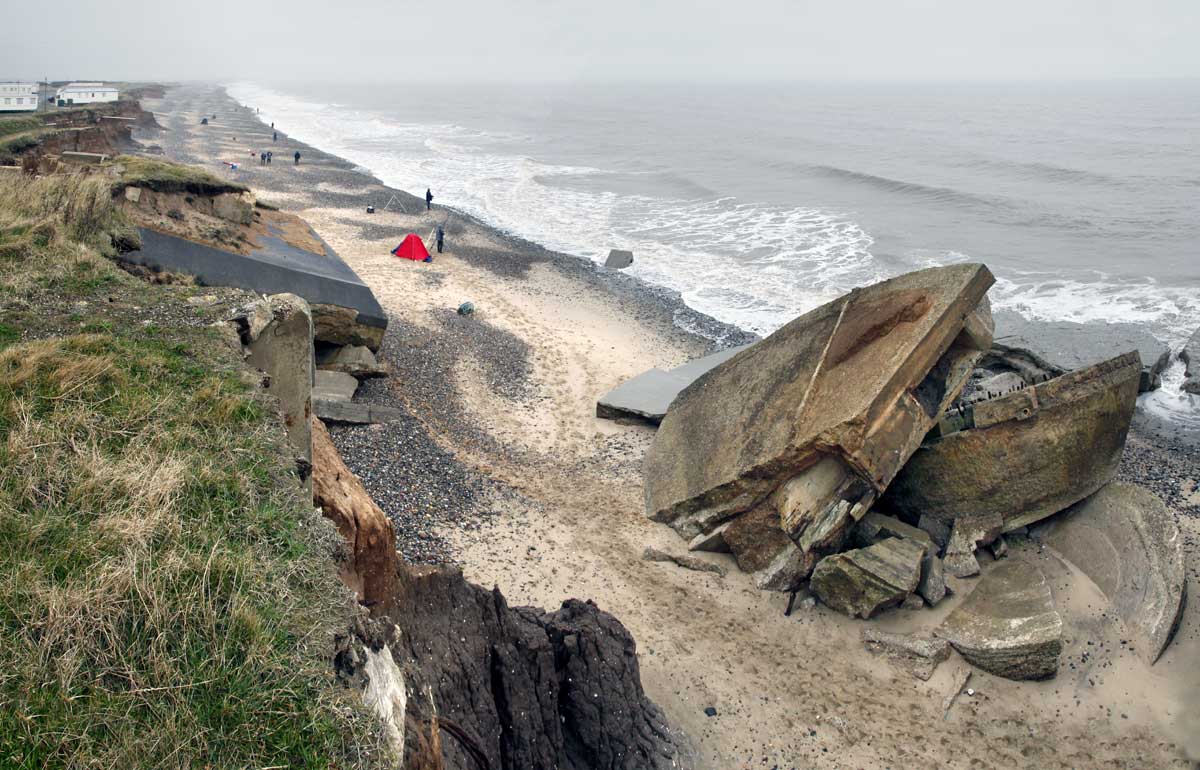
was the site of a fort built in 1914 to protect the mouth of the
Humber. Two large 9.2in guns (Godwin Battery) were sited here. This
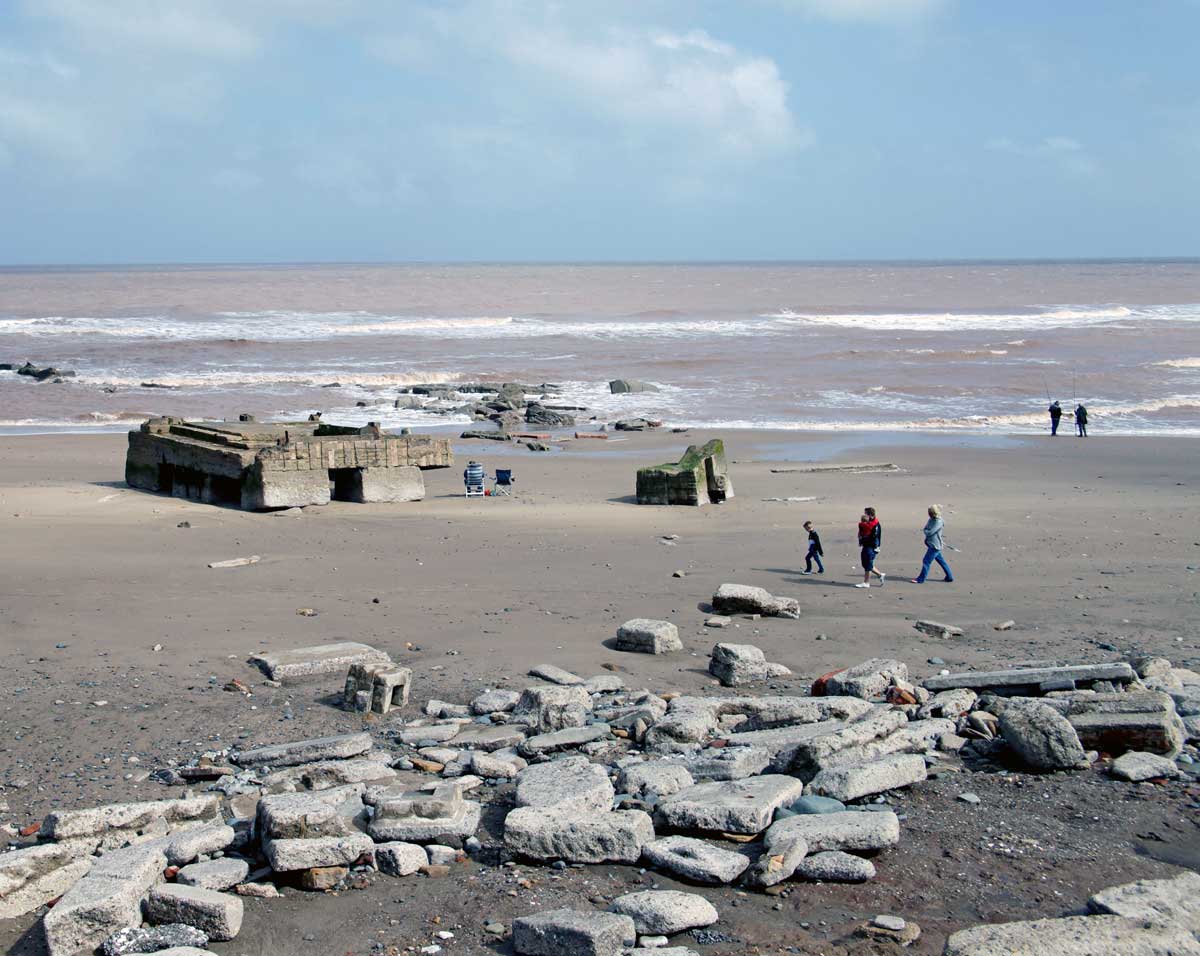
is a rapidly eroding coast and the gun emplacements have since
tumbled onto the beach along with much of the physical infrastructure
of the fort.
The
18th century settlement of Kilnsea lies under the North
Sea. Today's village consists of about two dozen residential
buildings, two farms, a pub, a church (de-consecrated), one large and
three smaller caravan sites, a 15 bed hotel built 1992 but closed for
most of its subsequent life, and the Spurn Bird Observatory. The
buildings of the village are strung out along a mile of Spurn Road
which itself ends at the gate to the nature reserve.
This
tiny area has a complex landscape and ecology. It's much photographed
for the wildlife, particularly the birds that are found in the area.
I've been a regular visitor for the last thirteen years, not for the
wildlife (much though I appreciate that) but for the big sea, big sky
landscapes of the Spurn peninsula.
Kilnsea is often pictured only in terms of
its relationship to Spurn
and its natural habitats. Nevertheless, it remains a distinct
topography - inhabited but at the very edge of the land.
I'm
just editing my images of the village with a view to illustrating
some of the structures and activity of the place;
it is those
images that I most associate with the passage of the year that I have
included. They are largely the commonplace sights, those
that might be seen with the naked eye, without specialised knowledge
or optics. It's about what might be encountered on a stroll without
purpose. A drift.
Yorkshire Wildlife Trust, Spurn.
This reflects partly the dramatic nature of a big sky, big sea geography and an eroding coastline but also the visibility of other patterns of change, some taking place over many years-the decaying of 100 year old timber in the sea defences, for example- and some fleeting- a footprint in the sand washed away by the next wave. Richard Mabey, writing about the landscapes of East Anglia where the dominant narratives are also of wind and water, suggests “...in a landscape that is both spare and transient, every shard and nugget counts”.
As Spurn AIR in 2012 Alice Fox responded to some of these ideas with her Textures of Spurn exhibition, see- Alice Fox, Spurn Point A.I.R.
Some forms of art can include an element of time in their making but can the still photographer with their sad fractions of a second suggest process as well as an event? I walk the Spurn landscape regularly and I love the wideopeness of the vistas but I'm just putting together a selection of pictures, taken over a number of years, that I hope will also convey other aspects of the terrain.
Kilnsea is perhaps best known for the Bird Observatory and the 387 species of bird that have been recorded there, many of them beautifully photographed by local and visiting enthusiasts. Which ones might be included as best illustrating the landscape, the common ones or the rare ones? The small flock of local tree sparrows are a much loved constant, taken for granted though in need of support, while the appearance of a Siberian Chiff-chaff will bring thousands of visitors to the village. Both tell something of the story of the present day Kilnsea.
So with, say, butterflies. The arrival of the Painted Lady in numbers during July changes 'the landscape' but they are common enough throughout the country in garden and in city, and certainly not special to Kilnsea. Conversely the small number of bee orchids by the sea path are not an everyday sight, are declining across the UK and are visible for only a couple of weeks in early June, yet I look forward to their appearance every year as much as I do to ,say, the arrival of the avocets in May. In the end this is a very subjective choice of images. It illustrates those creatures and plants that I associate with Kilnsea and the passage of the year there, as a visitor rather than a resident.
Spurn: Passing time.
Spurn Nature Reserve, a shingle spit at the mouth of the Humber estuary has achieved some prominence over the last decade, regularly featuring on television and in the press. Of the many words used to describe the landscape the ones that occur most often are probably 'dynamic' and 'ever-changing'. See the Y.W.T. here for more information-Yorkshire Wildlife Trust, Spurn.
This reflects partly the dramatic nature of a big sky, big sea geography and an eroding coastline but also the visibility of other patterns of change, some taking place over many years-the decaying of 100 year old timber in the sea defences, for example- and some fleeting- a footprint in the sand washed away by the next wave. Richard Mabey, writing about the landscapes of East Anglia where the dominant narratives are also of wind and water, suggests “...in a landscape that is both spare and transient, every shard and nugget counts”.
As Spurn AIR in 2012 Alice Fox responded to some of these ideas with her Textures of Spurn exhibition, see- Alice Fox, Spurn Point A.I.R.
Some forms of art can include an element of time in their making but can the still photographer with their sad fractions of a second suggest process as well as an event? I walk the Spurn landscape regularly and I love the wideopeness of the vistas but I'm just putting together a selection of pictures, taken over a number of years, that I hope will also convey other aspects of the terrain.
Kilnsea: Flora and Fauna.
At what point does a visual description of a landscape (photographic in this case) include details of the flora and fauna that inhabit it? Certain elements can be incorporated into the point of view, the camera distance etc. that might conventionally be regarded as 'landscape'; a field with cattle in it, a large number of birds in a sky or poppies spread like a carpet across a piece of wasteland all can be shown, but in any description of Kilnsea I'd want to include a wider range of the non-human life that gives the village its particular sense of place.Kilnsea is perhaps best known for the Bird Observatory and the 387 species of bird that have been recorded there, many of them beautifully photographed by local and visiting enthusiasts. Which ones might be included as best illustrating the landscape, the common ones or the rare ones? The small flock of local tree sparrows are a much loved constant, taken for granted though in need of support, while the appearance of a Siberian Chiff-chaff will bring thousands of visitors to the village. Both tell something of the story of the present day Kilnsea.
So with, say, butterflies. The arrival of the Painted Lady in numbers during July changes 'the landscape' but they are common enough throughout the country in garden and in city, and certainly not special to Kilnsea. Conversely the small number of bee orchids by the sea path are not an everyday sight, are declining across the UK and are visible for only a couple of weeks in early June, yet I look forward to their appearance every year as much as I do to ,say, the arrival of the avocets in May. In the end this is a very subjective choice of images. It illustrates those creatures and plants that I associate with Kilnsea and the passage of the year there, as a visitor rather than a resident.
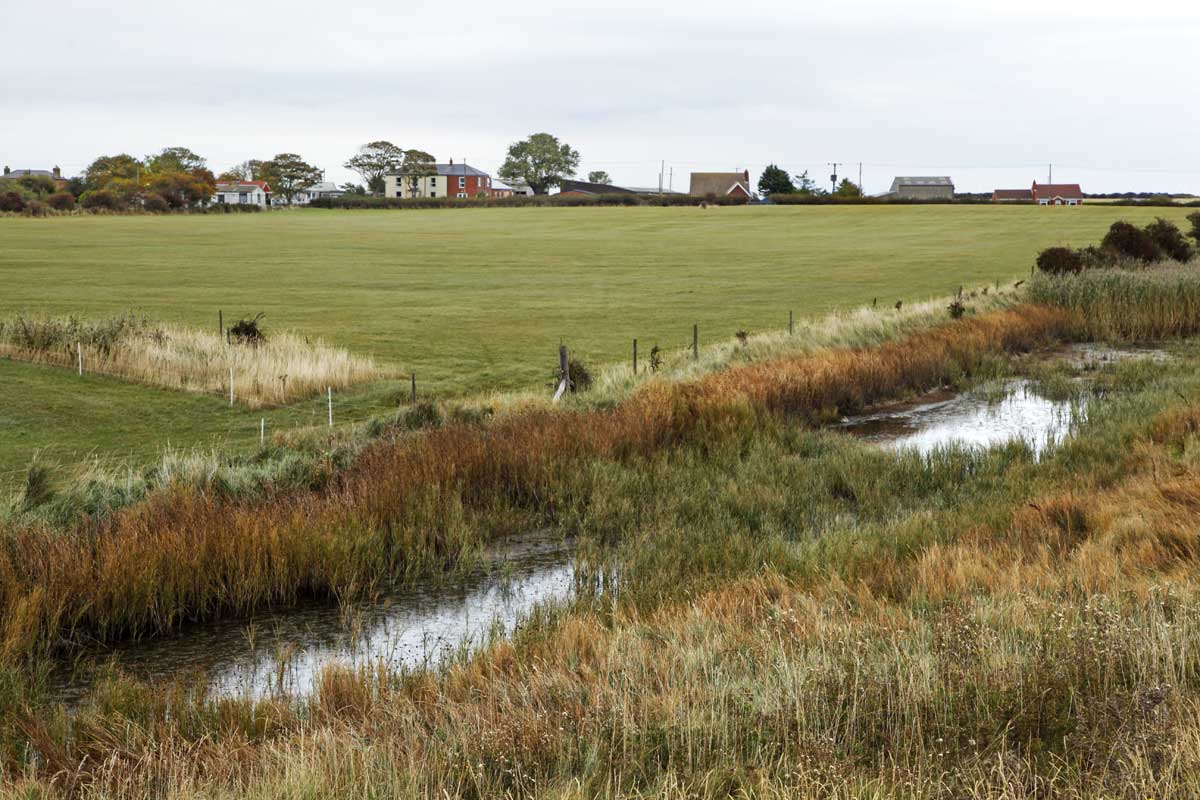 |
| The village of Kilnsea from the Humber bank, November 2018 Westmere Farm centre left. |
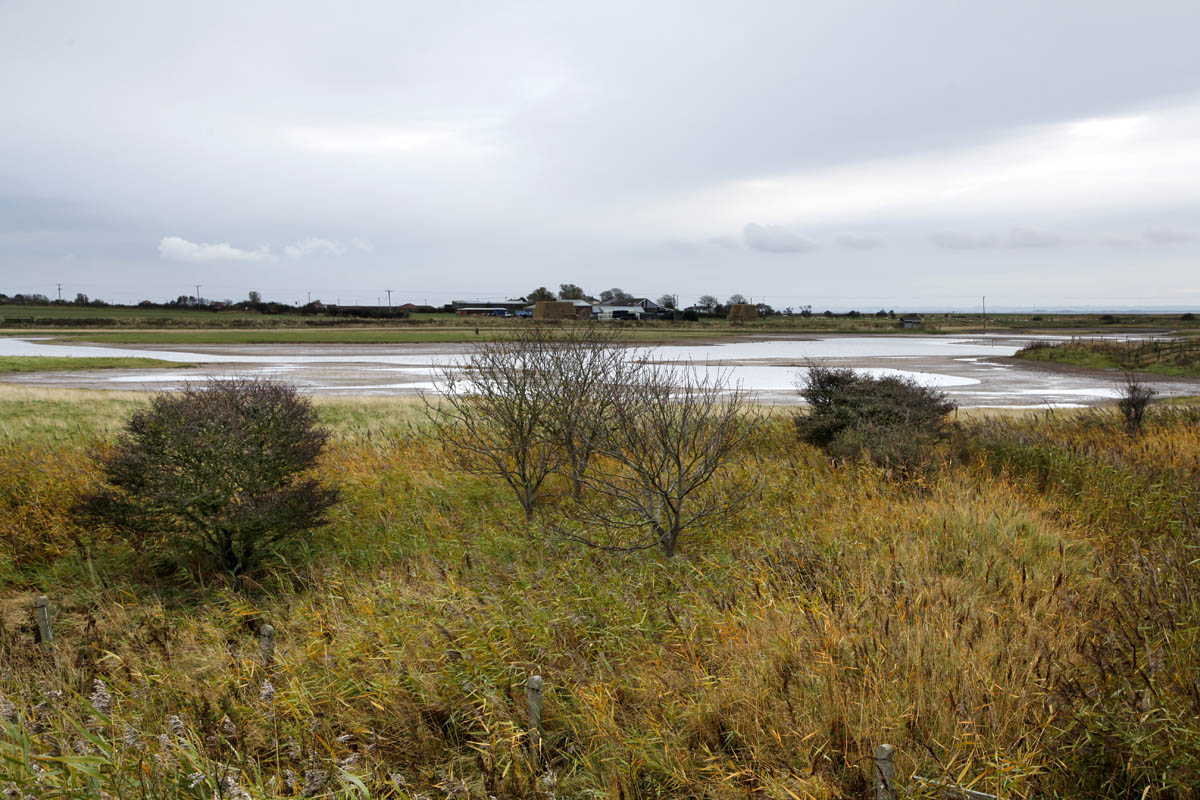 |
| Kilnsea scrape, from the seaward bank, December 2018 Grange Farm centre distance. |
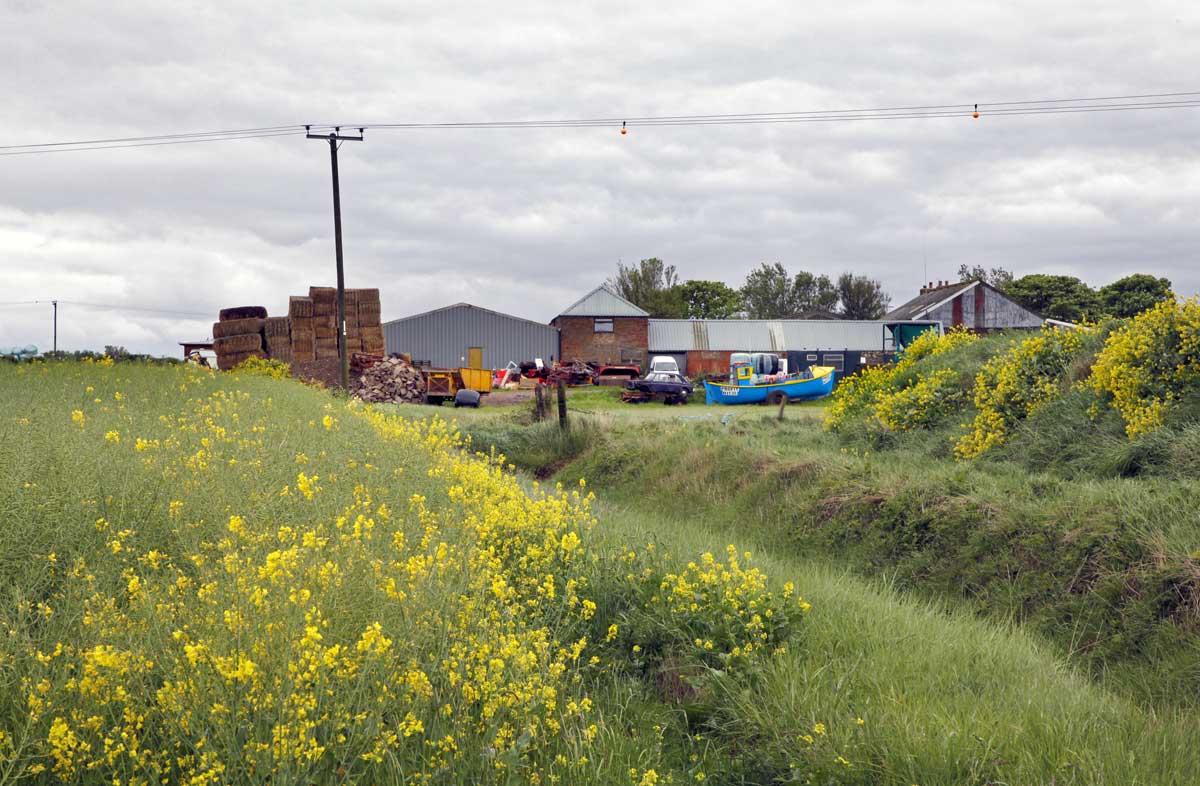 |
| Grange Farm, 2013 |
*******
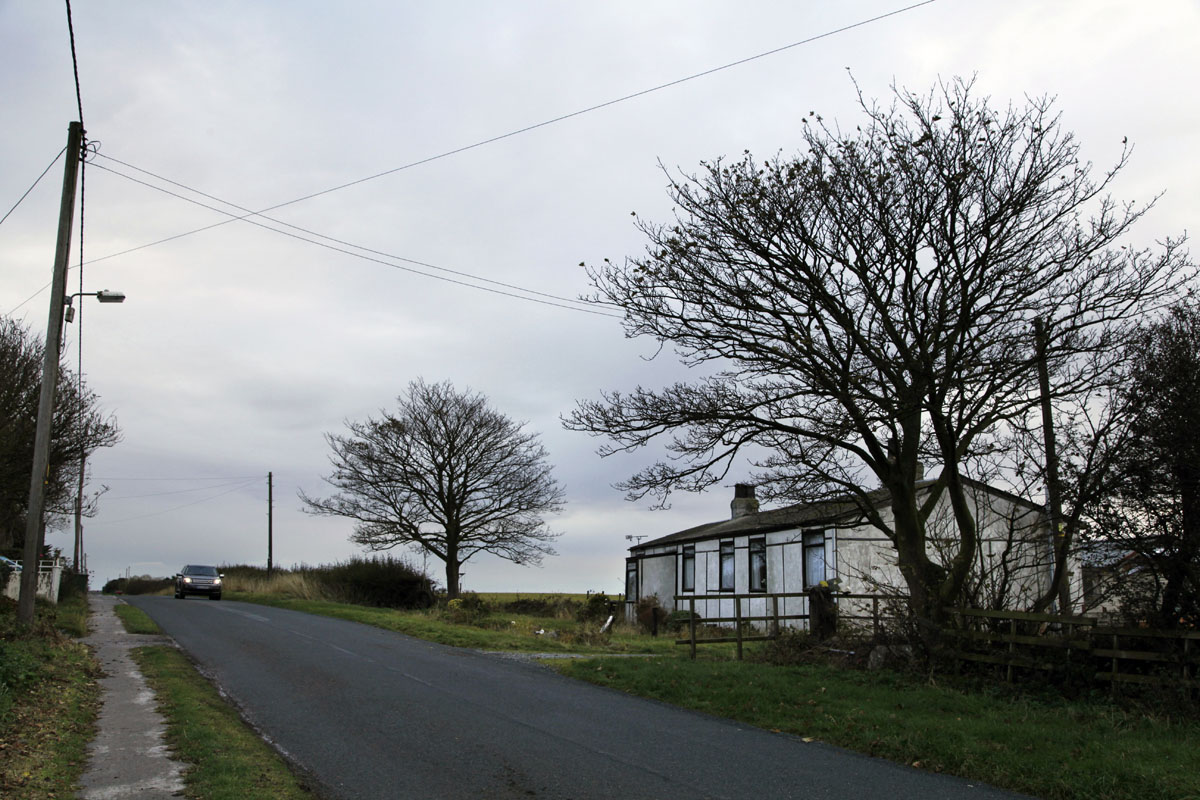 |
| Spurn Road, looking toward the estuary |
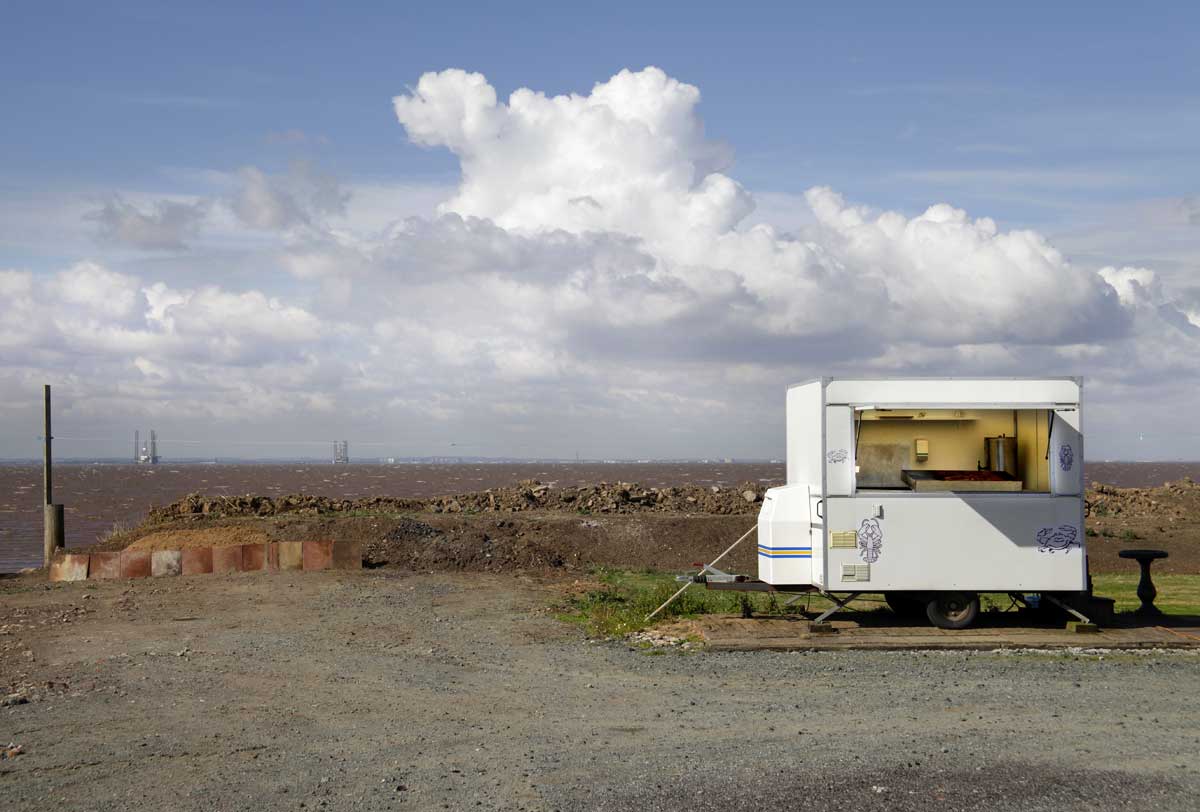 |
| Crab sales, overlooking the Humber, 2010. |
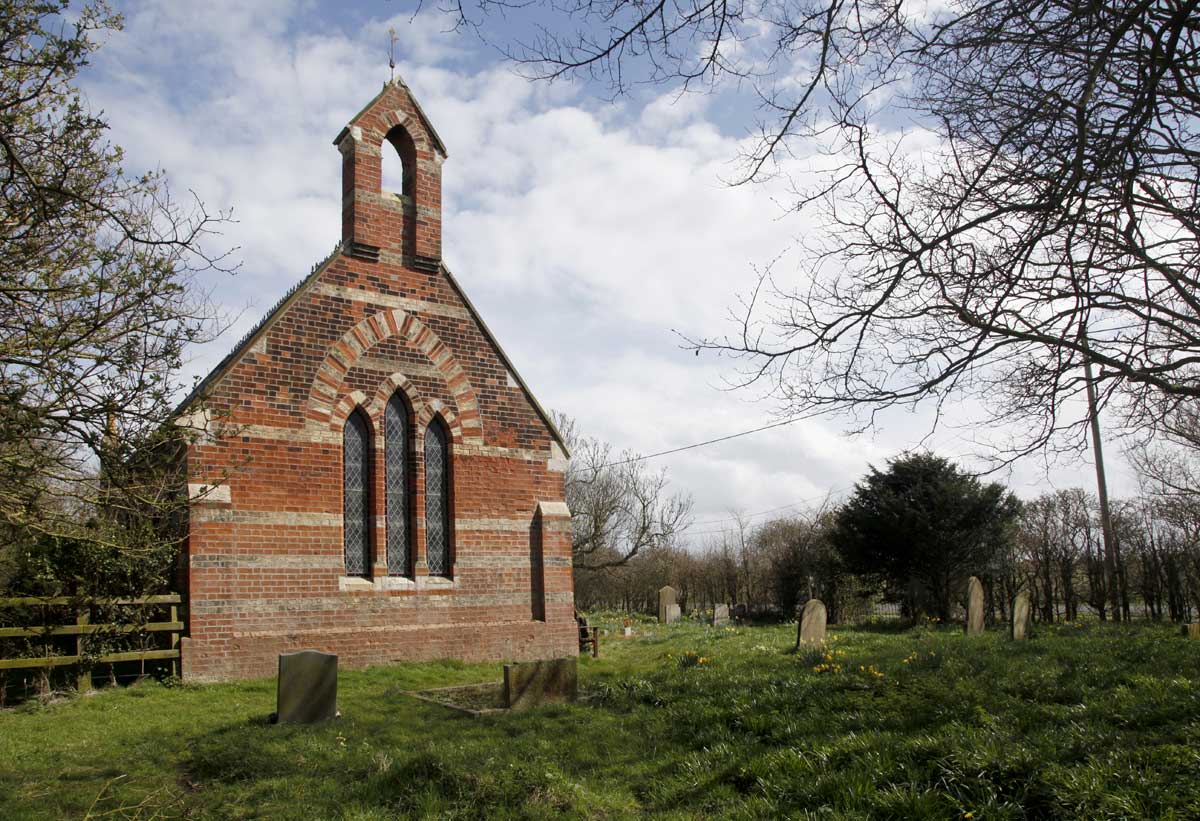 |
| St. Helen's church, built 1864 |
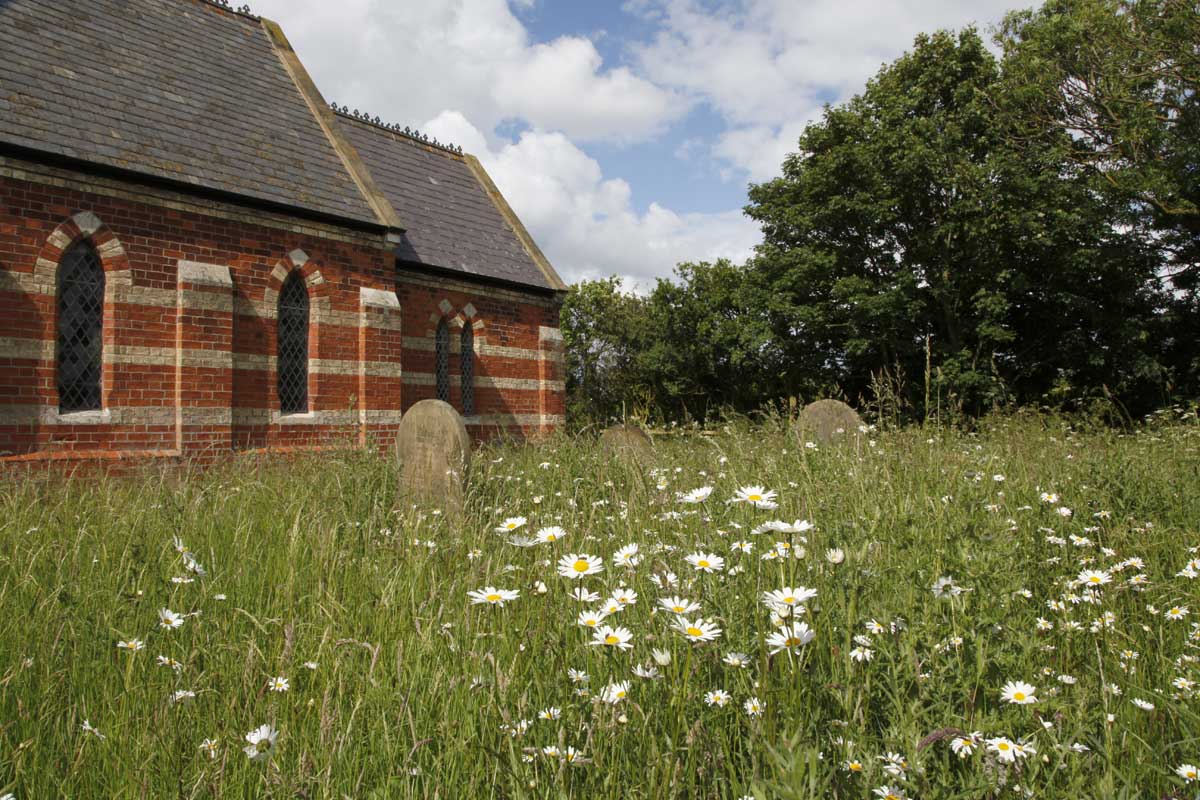 |
| The churchyard in May 2009 |
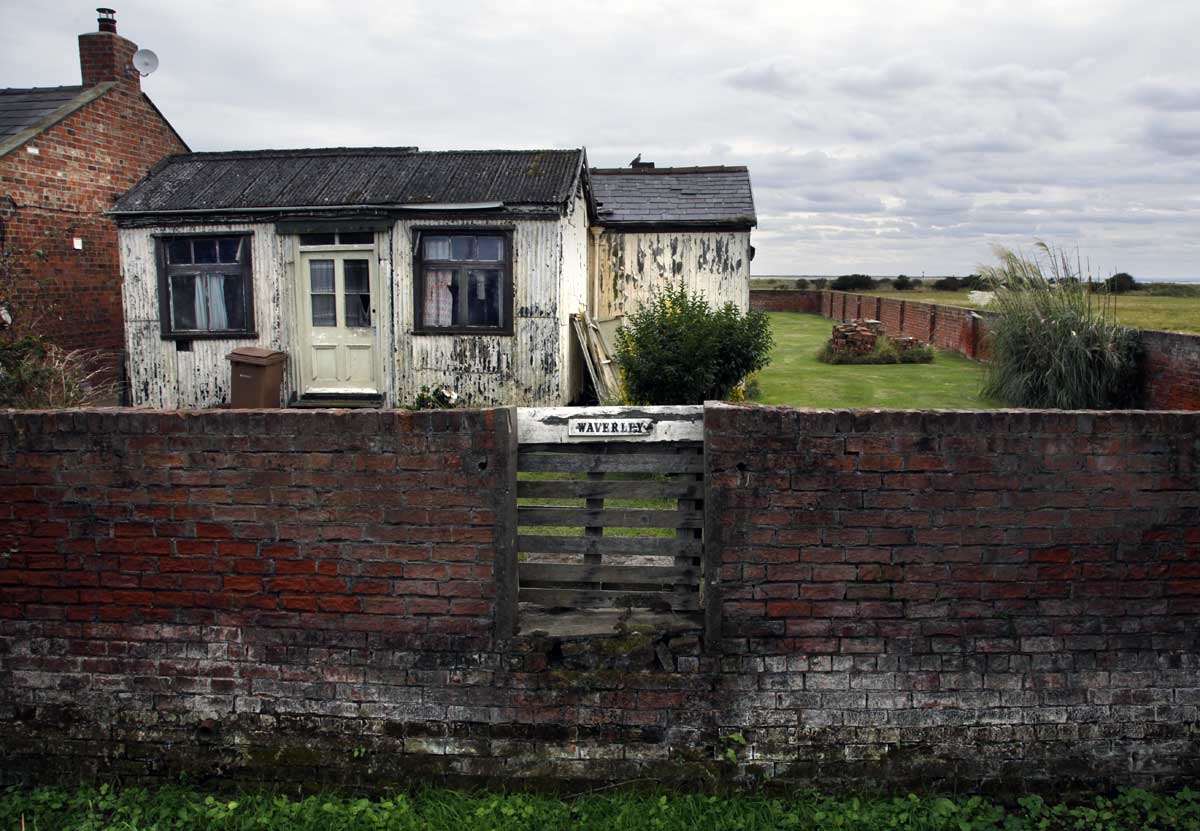 |
| A number of buildings such as this were utilised by the military before the building of Fort Godwin. Whether this was one such I don't know. The current owner has plans to restore it in some form. 2018 |
*******
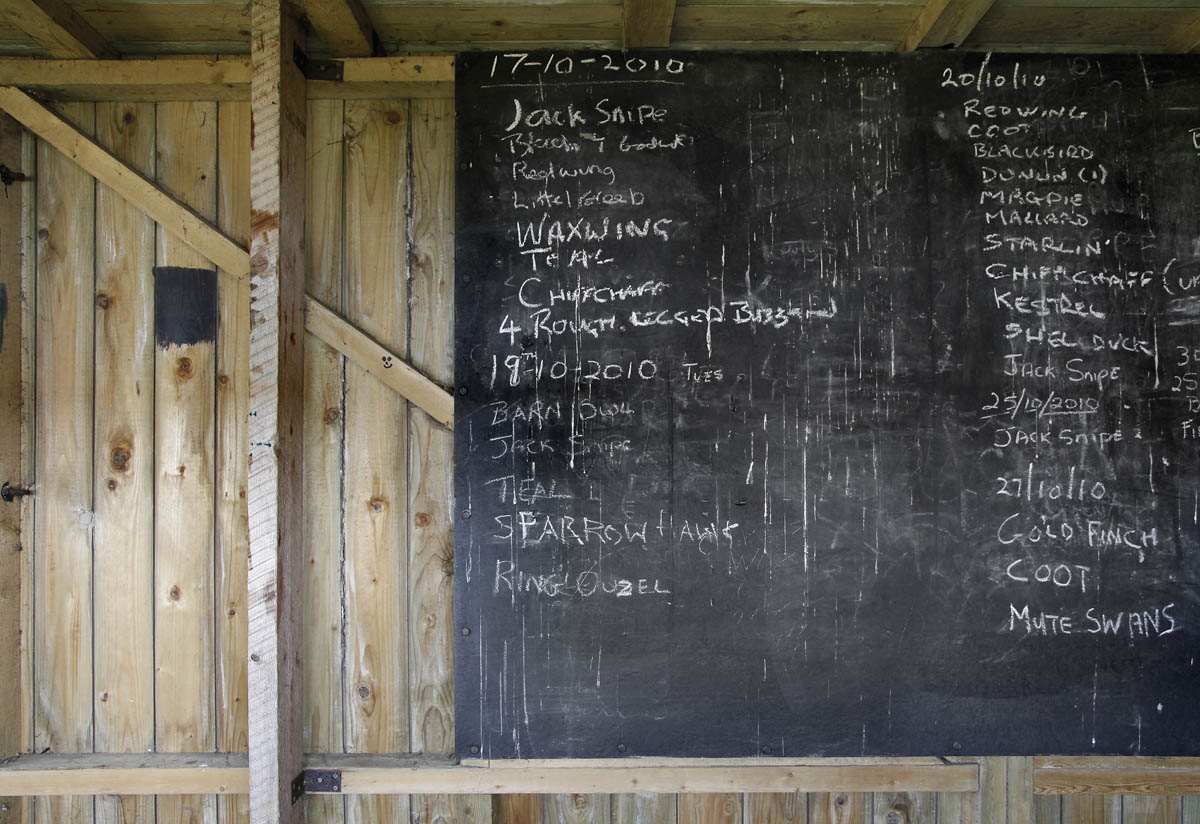 |
| Canal scrape hide, October 2010 |
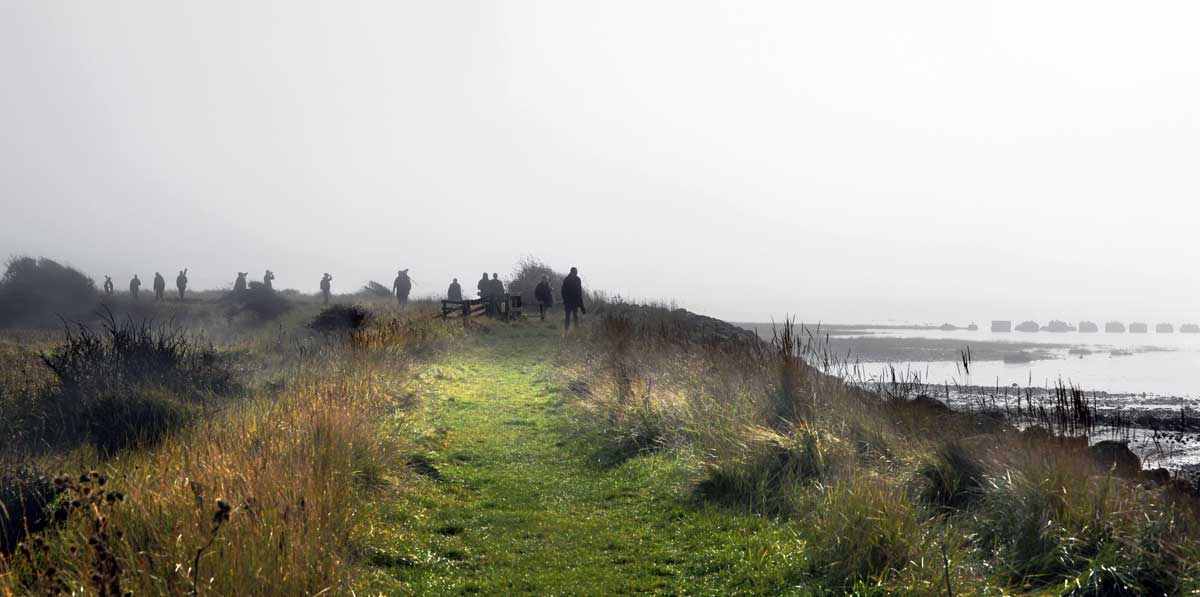 |
| Birders on the Humber bank, October 2011 |
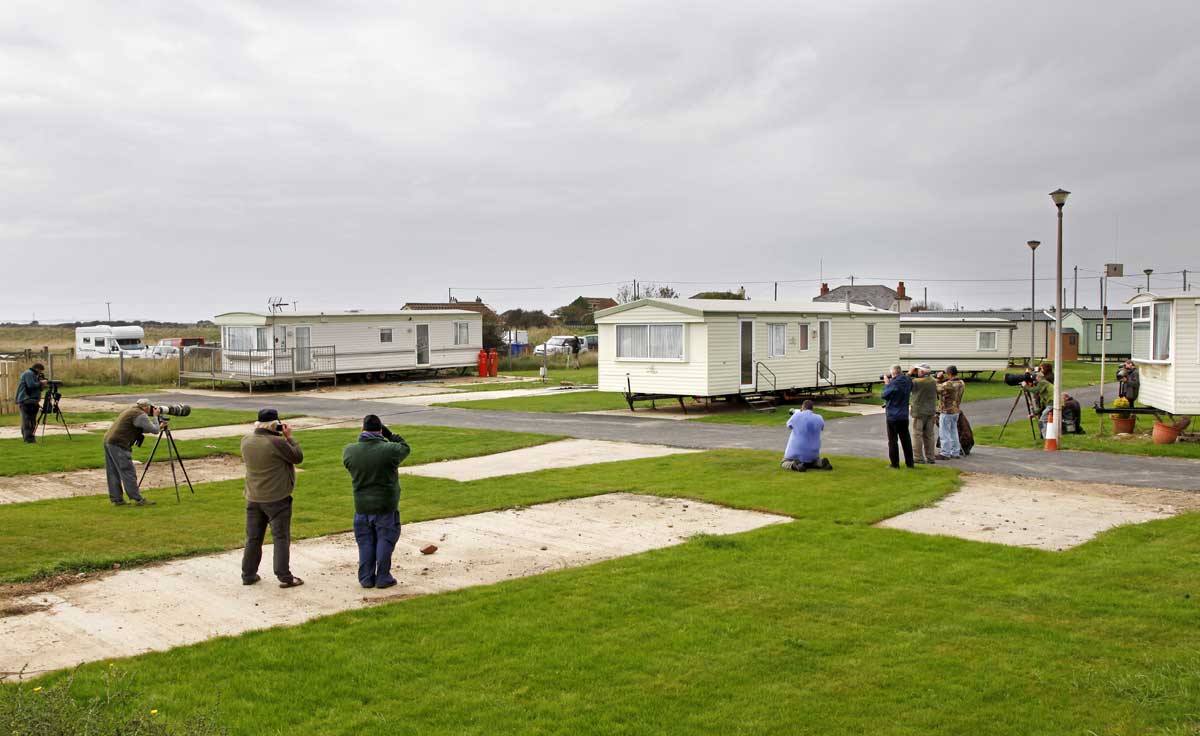 |
| Sandy Beaches, 2013. A Wryneck was sheltering under a caravan. |
*******
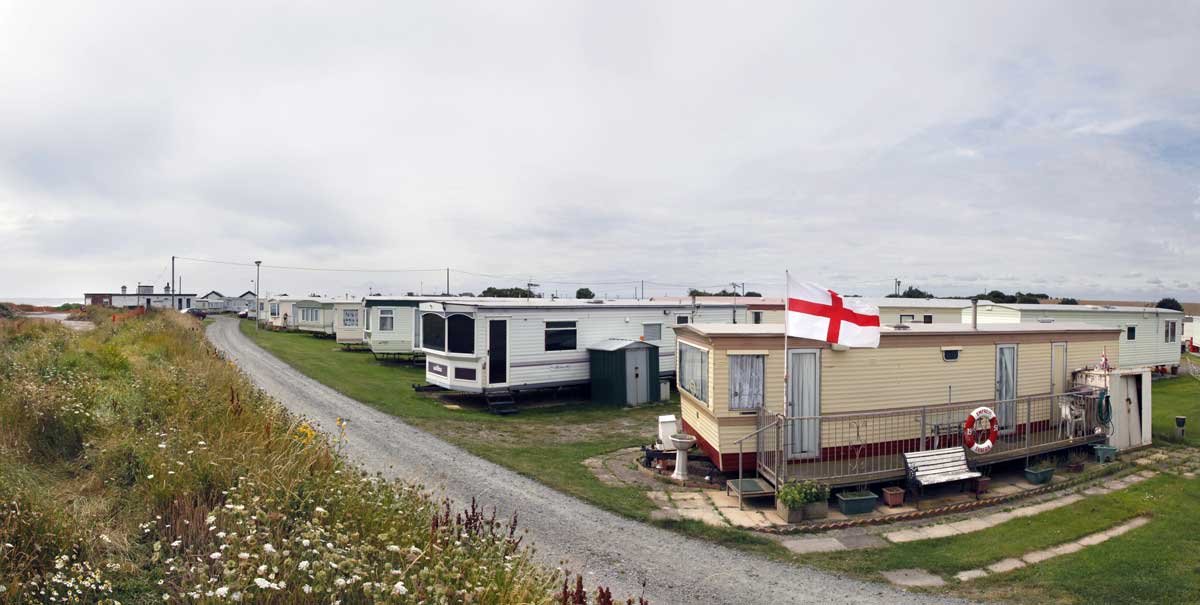 |
| Sandy Beaches caravan site, 2011. Much of the land to the left of the road has since been eroded away. |
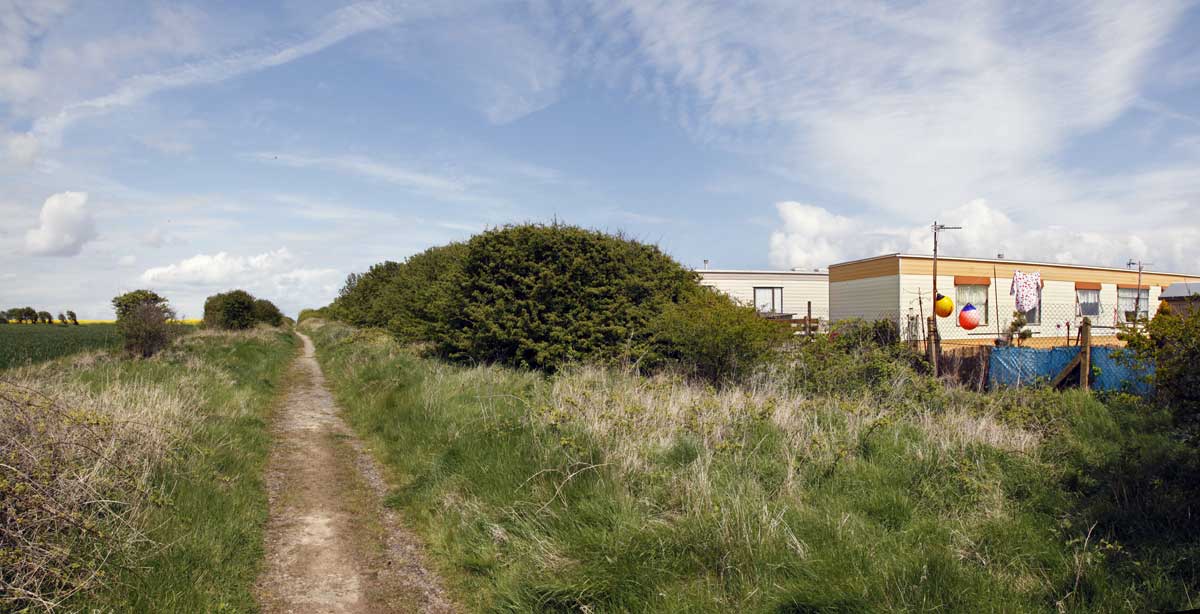 |
| Beacon Lane, 2011 |
*******
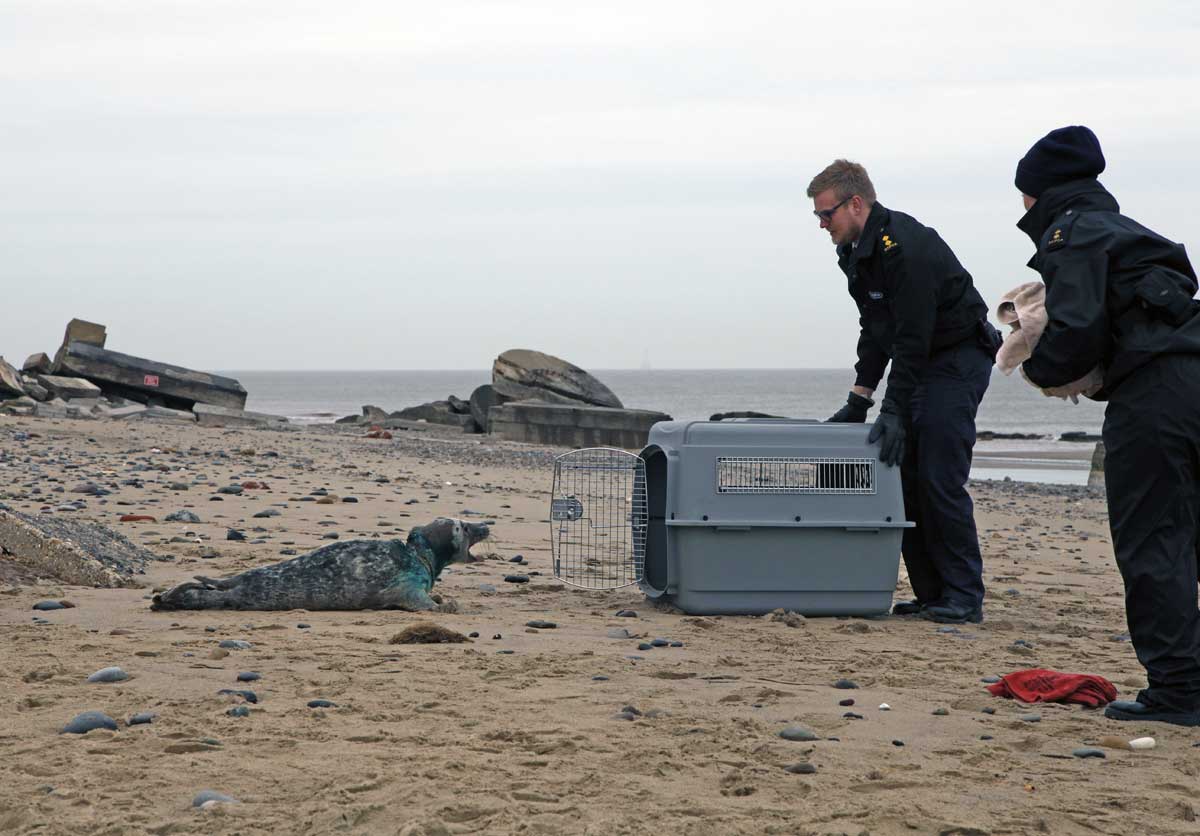 |
| RSPCA workers attempt to coax a seal into a dog basket to return it to the sea. The seal had previously been entangled in waste plastic rope but had been cut free by a vet. It eventually made its own way back. 2013. |
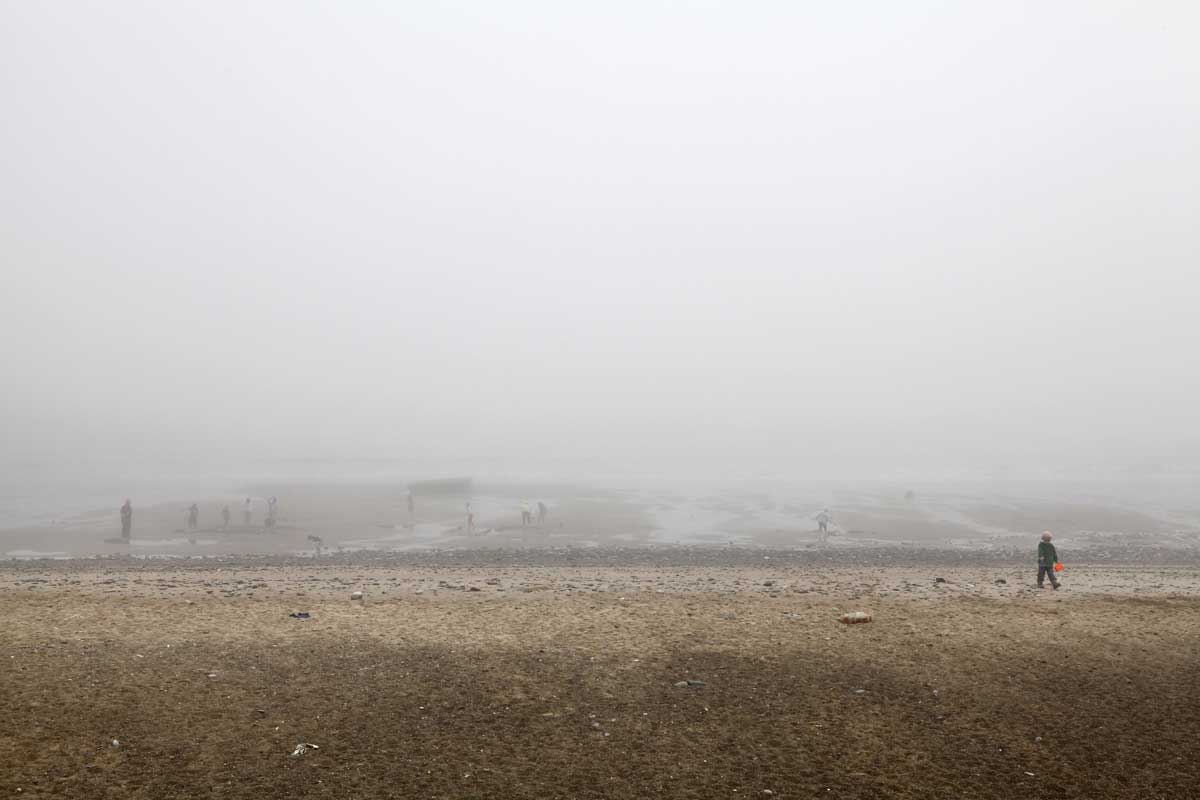 |
| Sea fret, Kilnsea beach 2013 ******* |
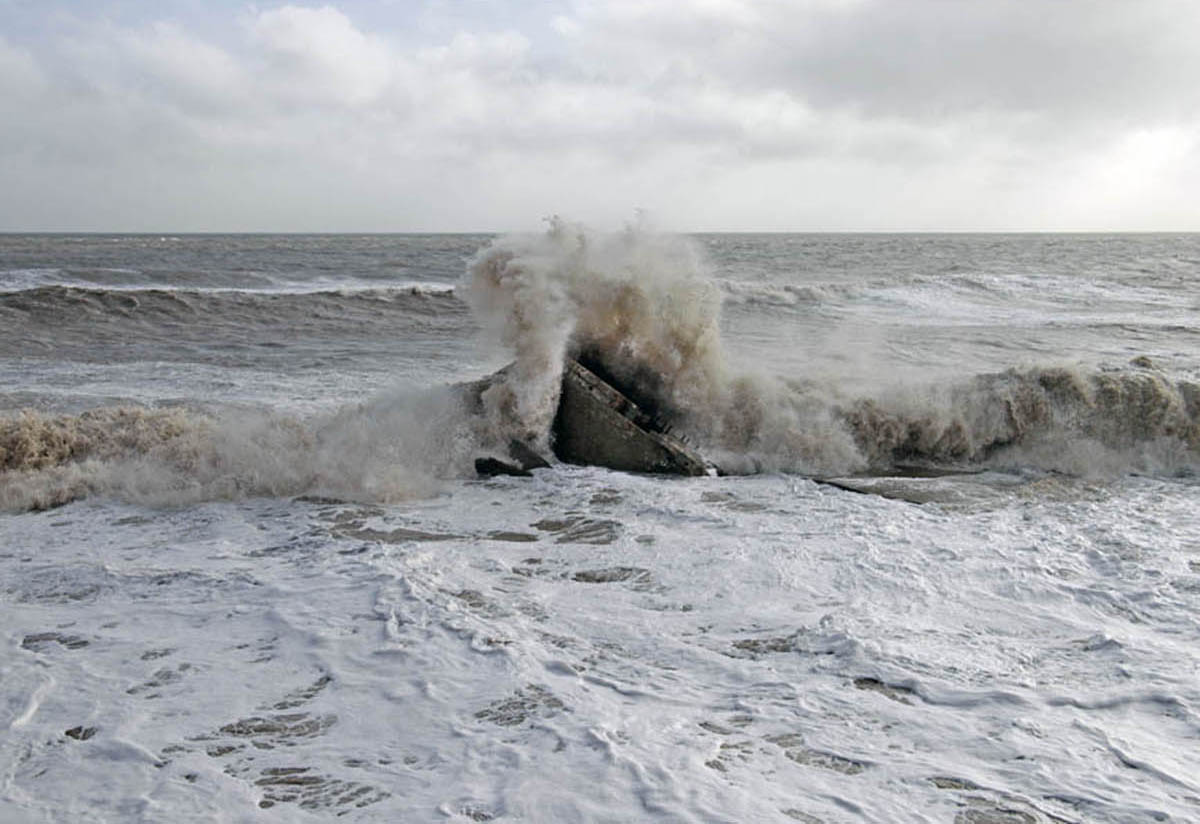 |
The collapsed gun emplacement in varying weather and at different stages of the tide, 2010 |
 |
| Fishing competition, 2014 The remains of one of the gun emplacements at right. |
 |
| Kilnsea beach, August 2010 |
*******
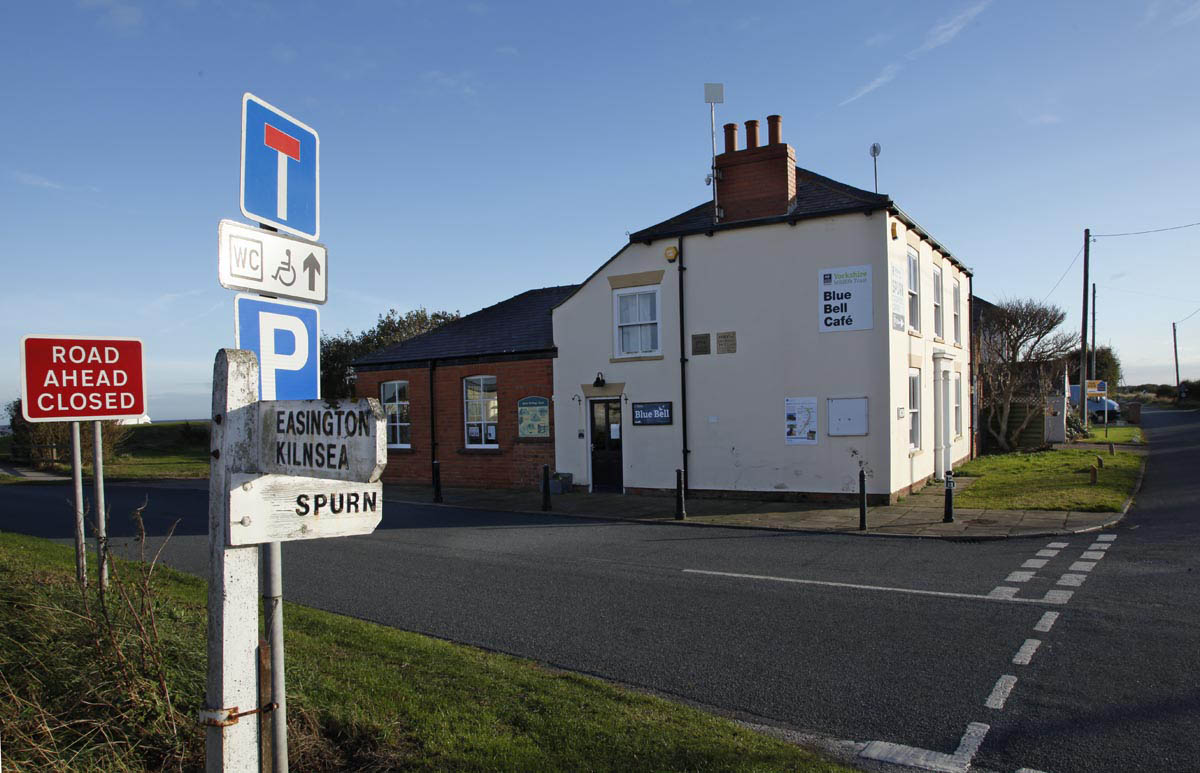 |
| 'Blue Bell', November 2018 |
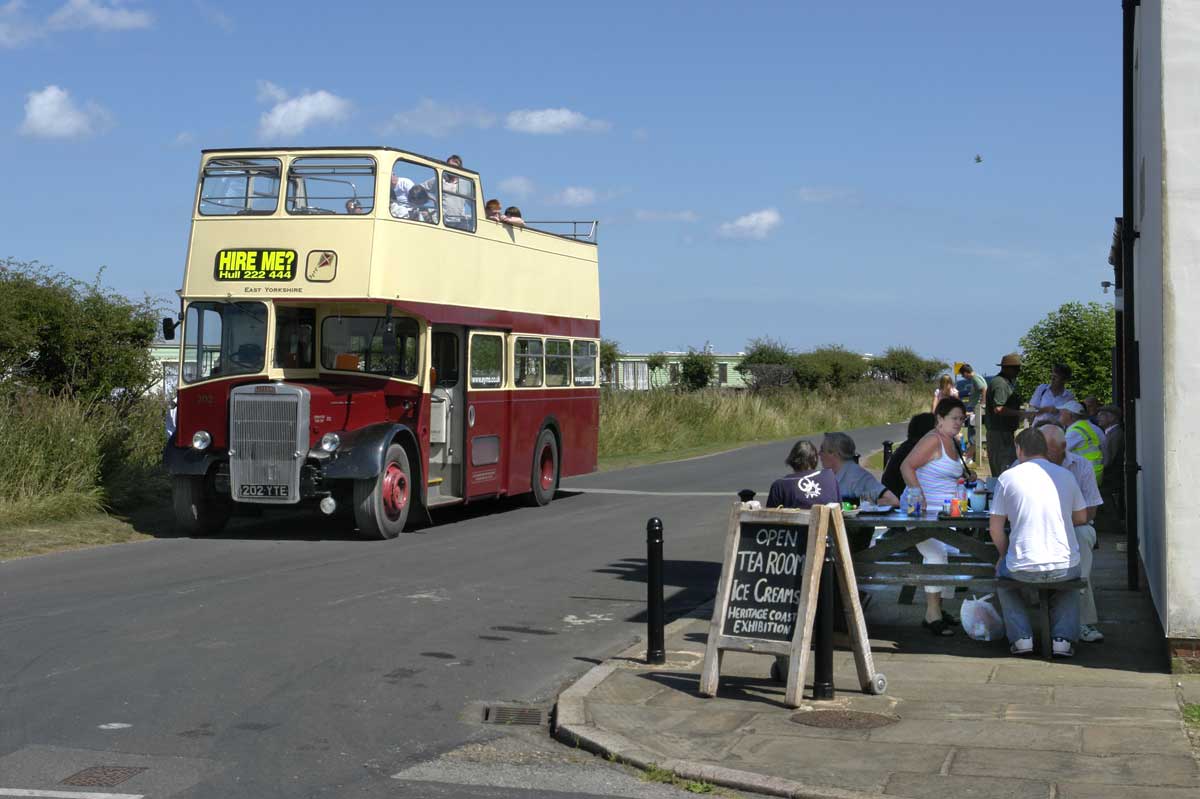 |
| Day trip at the 'Blue Bell', 2008. Built as a pub in 1847 the 'Blue Bell' was until recently used as a cafe by the Yorkshire Wildlife Trust |
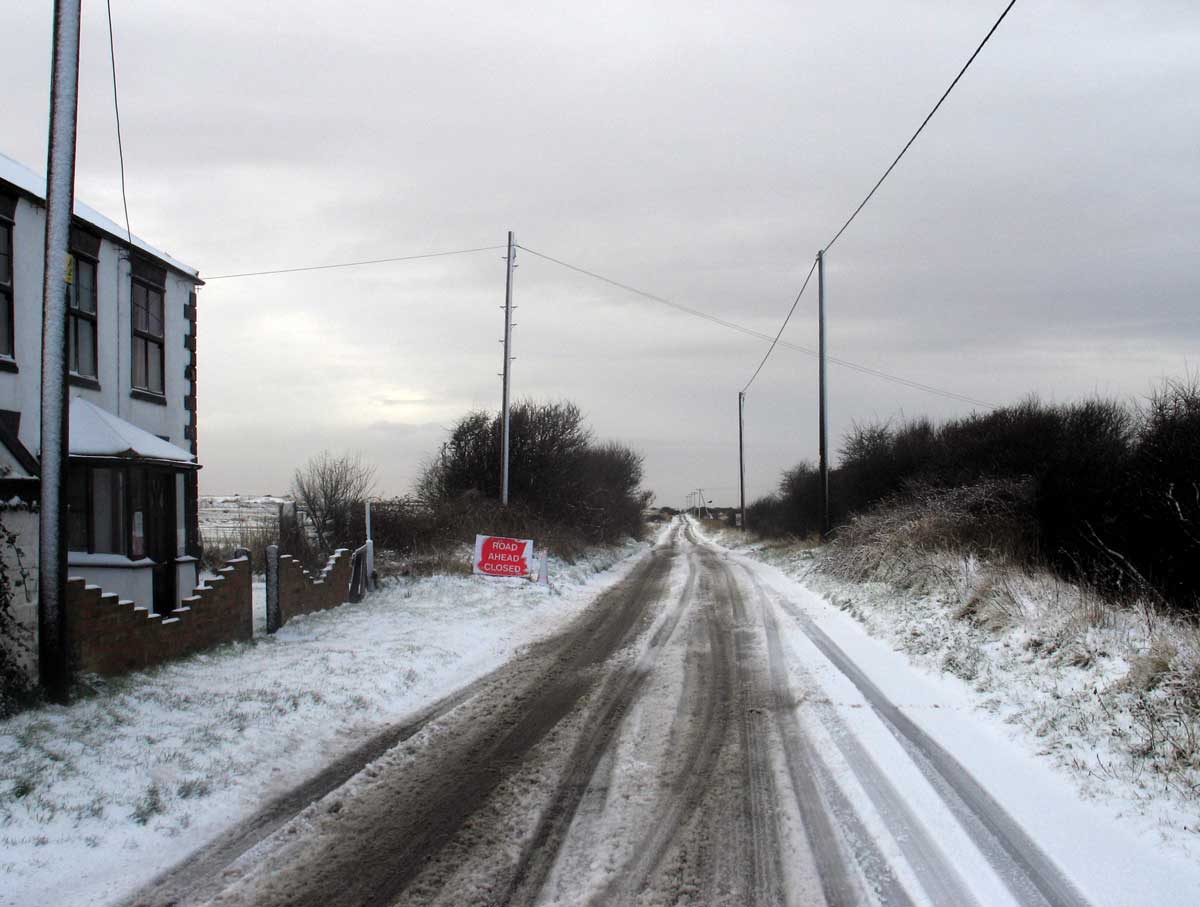 |
| Spurn Road, running to the gate of the Y.W.T reserve, 2006. |
*******
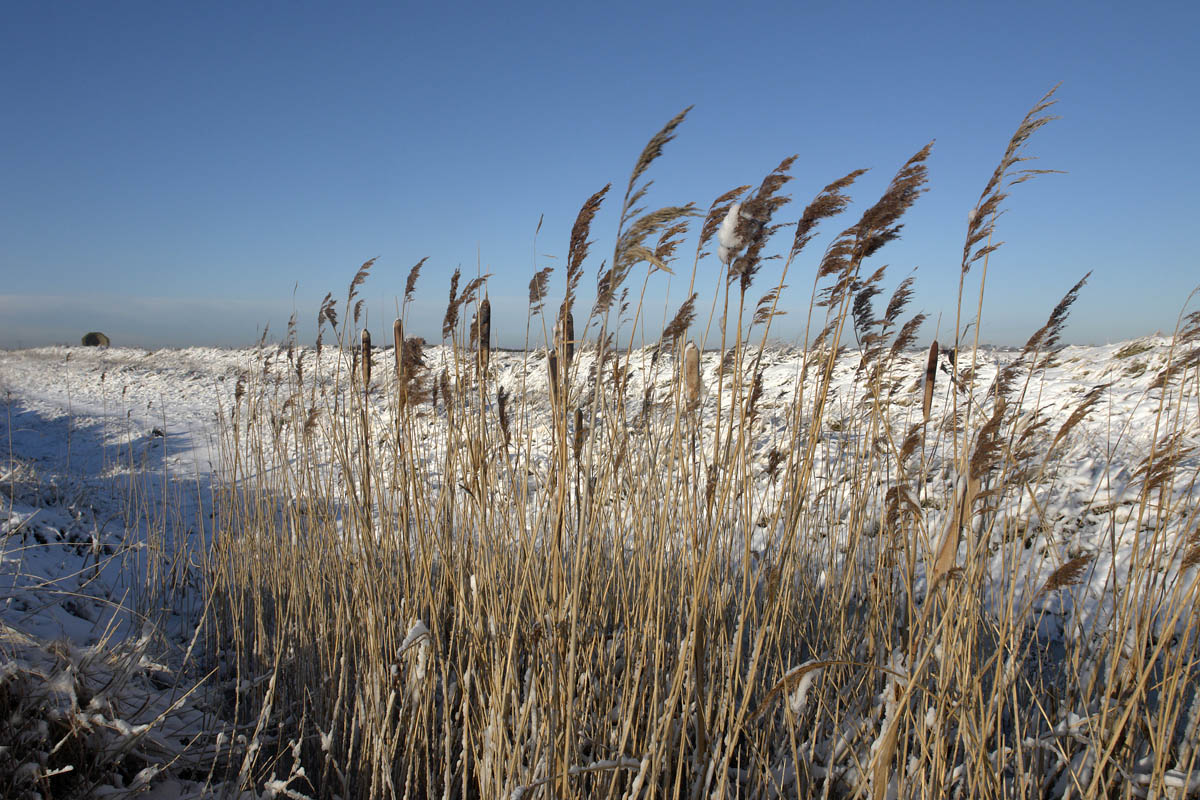 |
| Reedbed, Listening device ditch, 2008 |
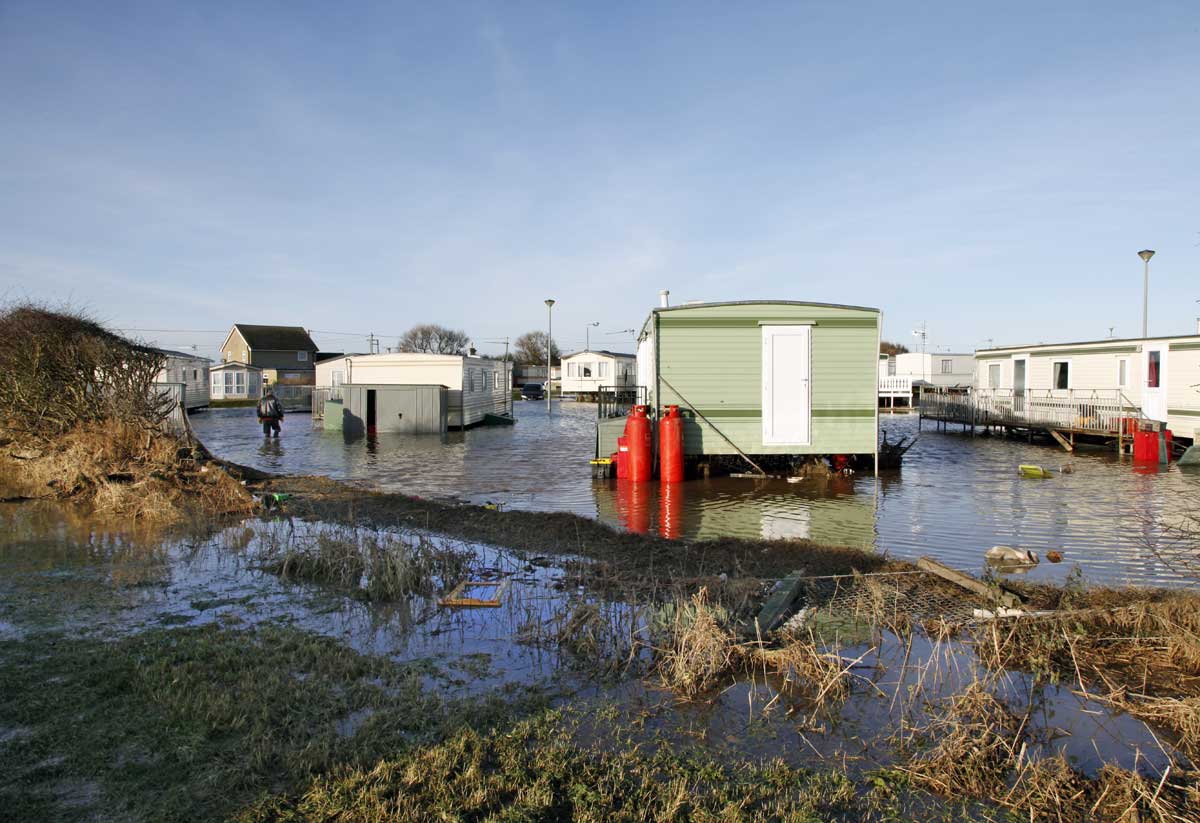 |
| Sandy Beaches caravan site following the tidal surge of December 2013 |
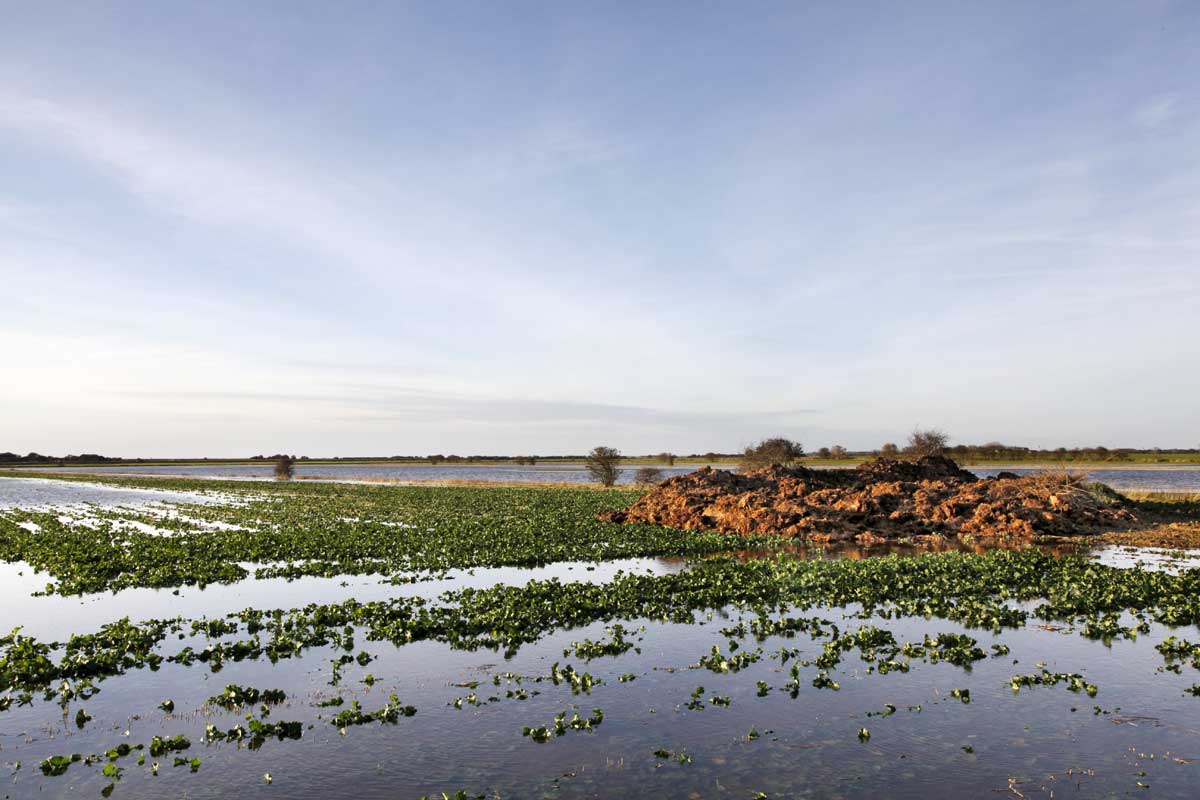 |
| The Humber fields following the tidal surge of December 2013 |
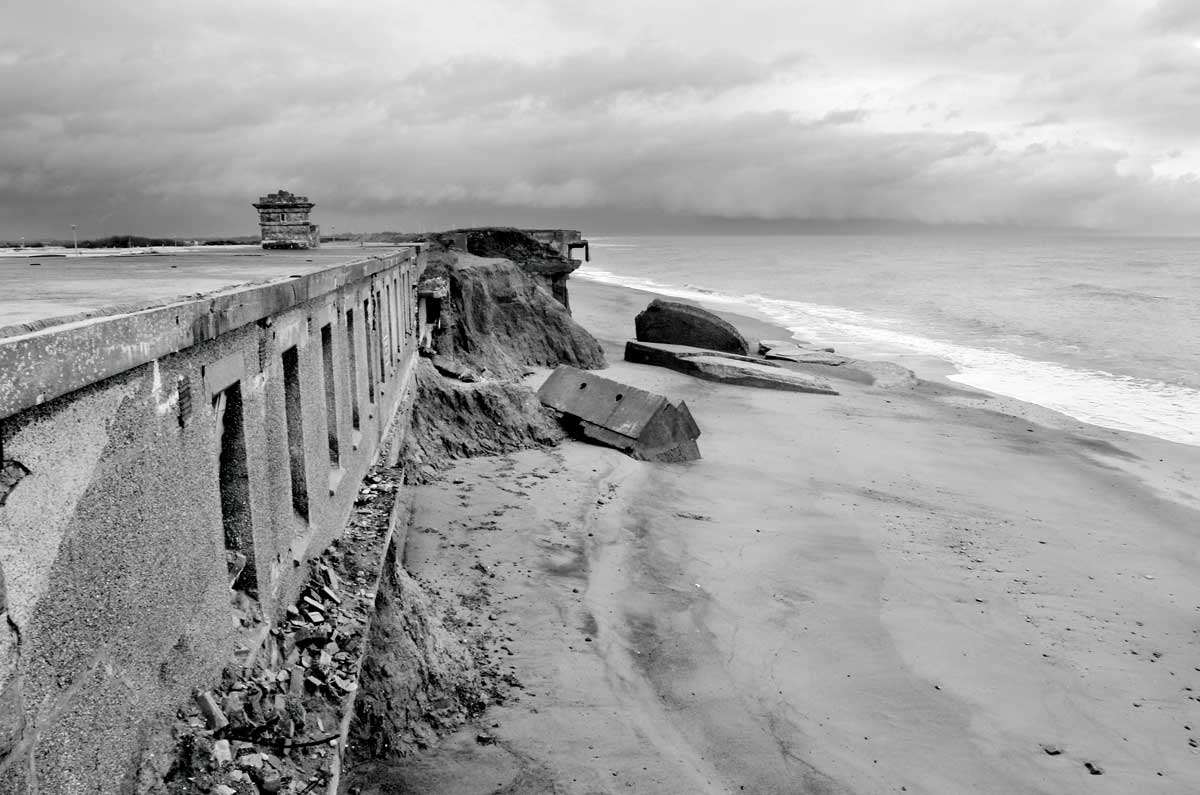 |
| Fort Godwin, 2007. This section has now fallen onto the beach. |
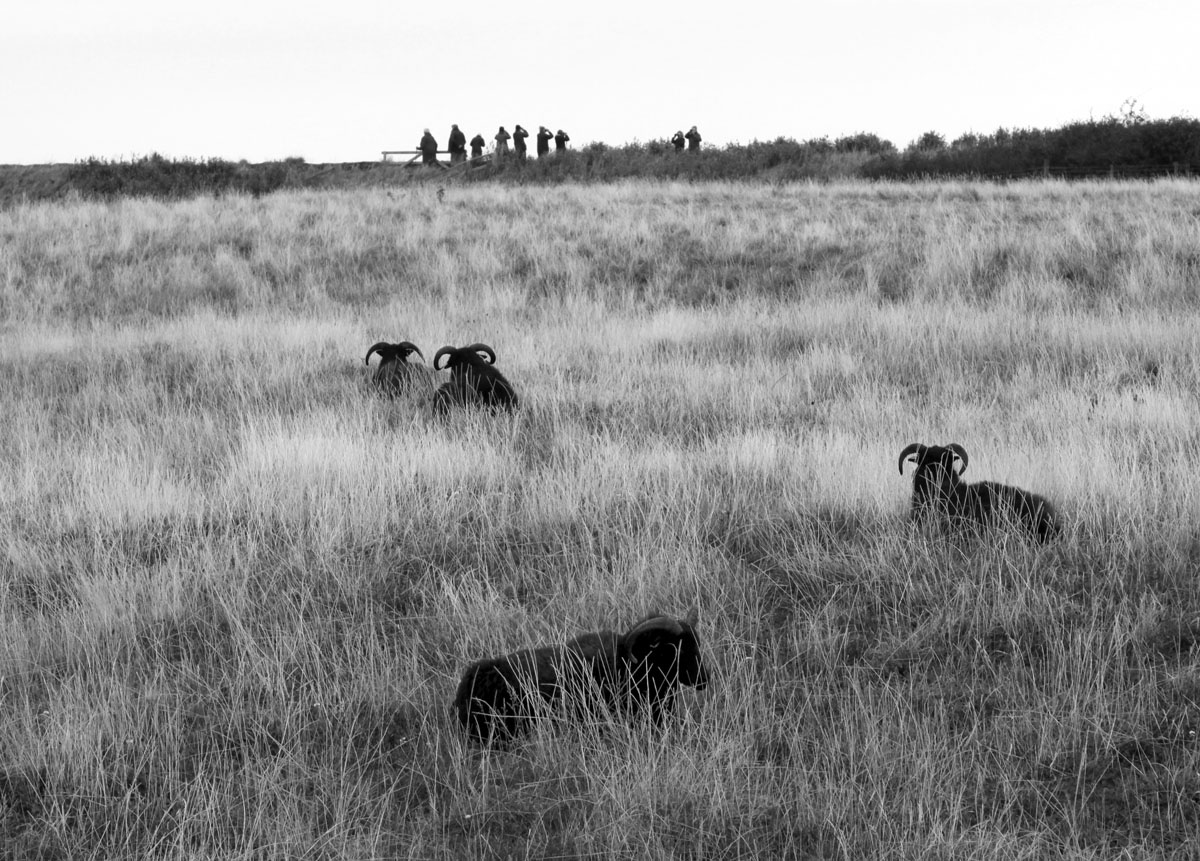 |
| Hebridean sheep, Kilnsea scrape. The sheep are employed by Yorkshire Wildlife Trust to maintain the grassland. |
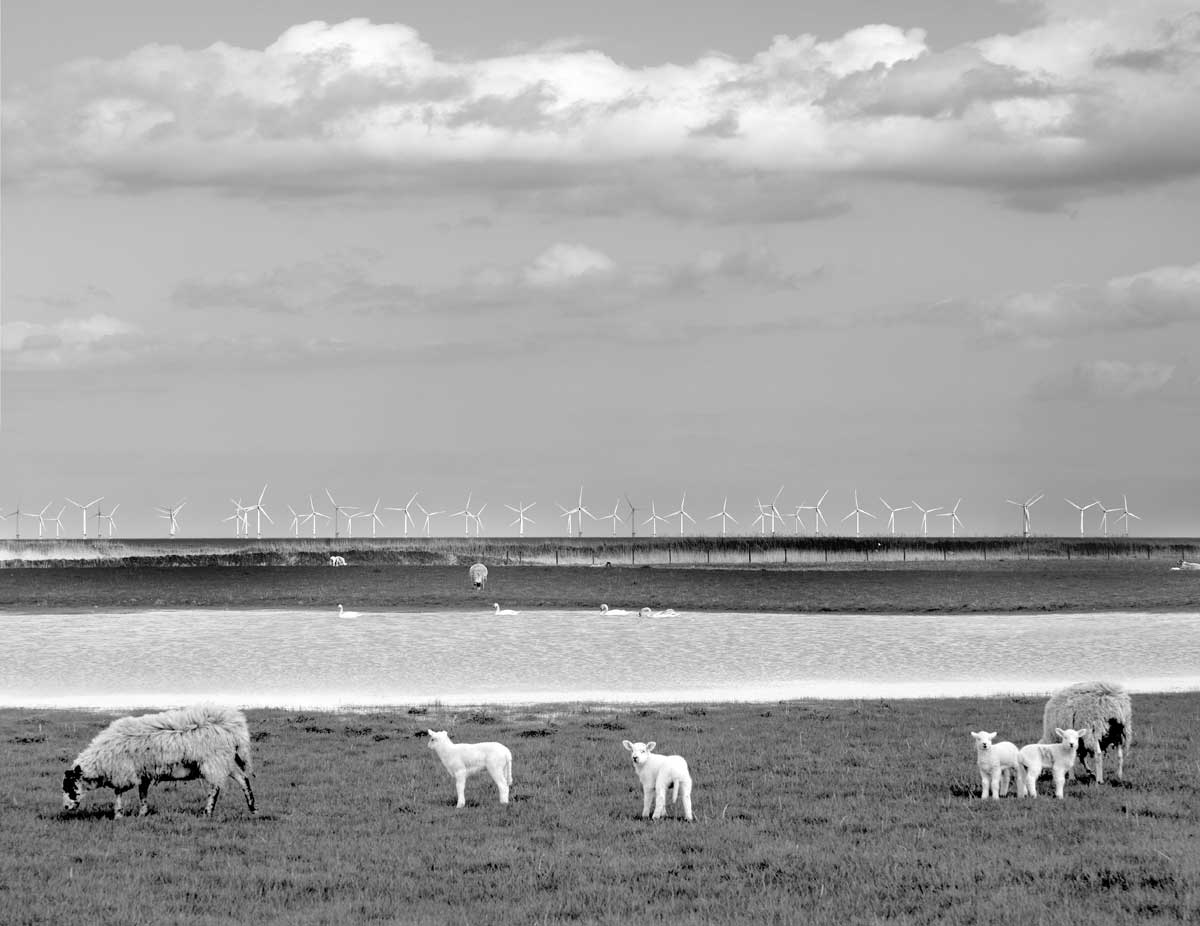 |
| Kilnsea Ponds, looking out to the sea. April 2018 |
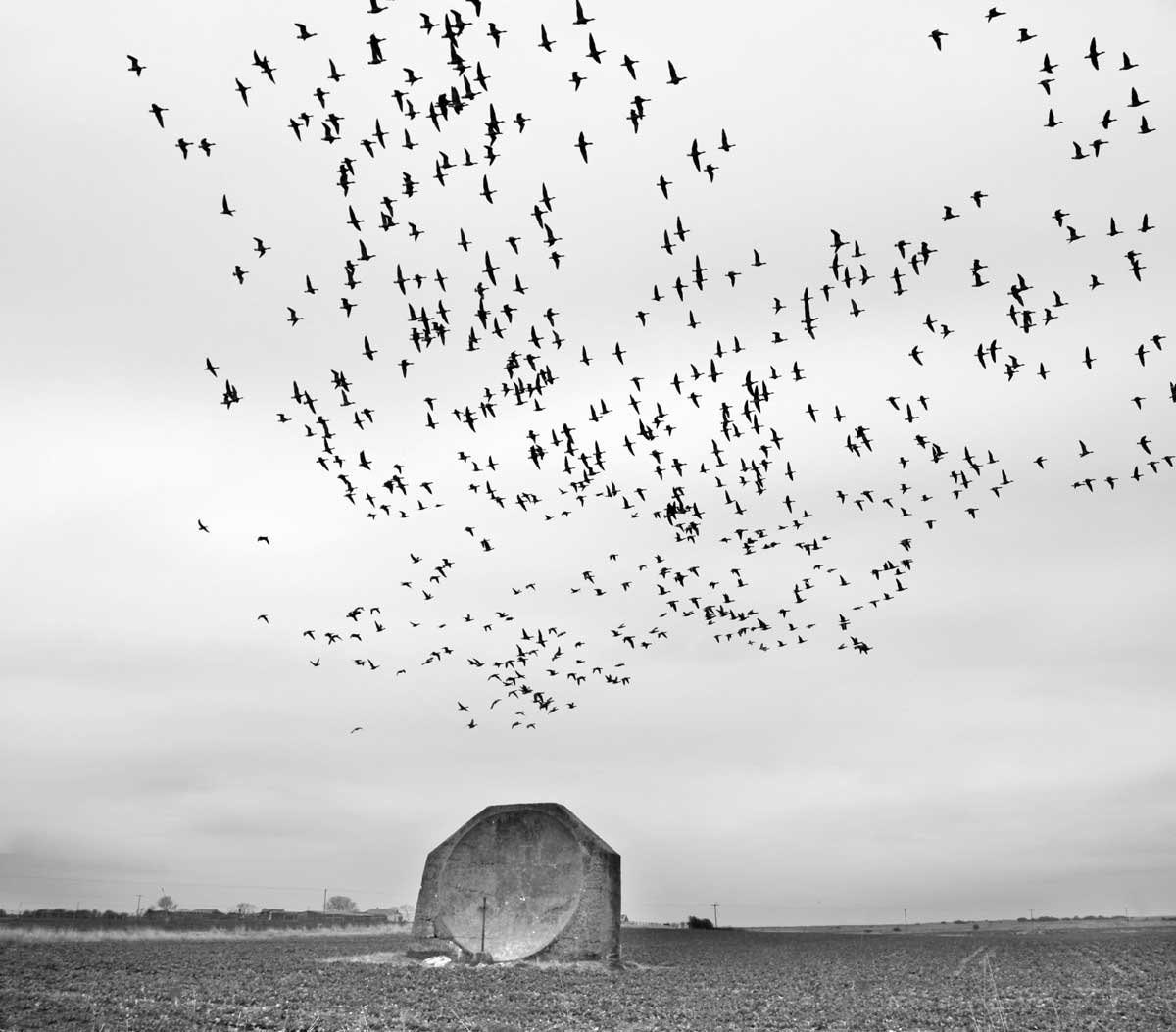 |
| Brent geese over the W.W.1 listening device, 2013. Intended to give warning of zeppelins, and now a listed structure. |
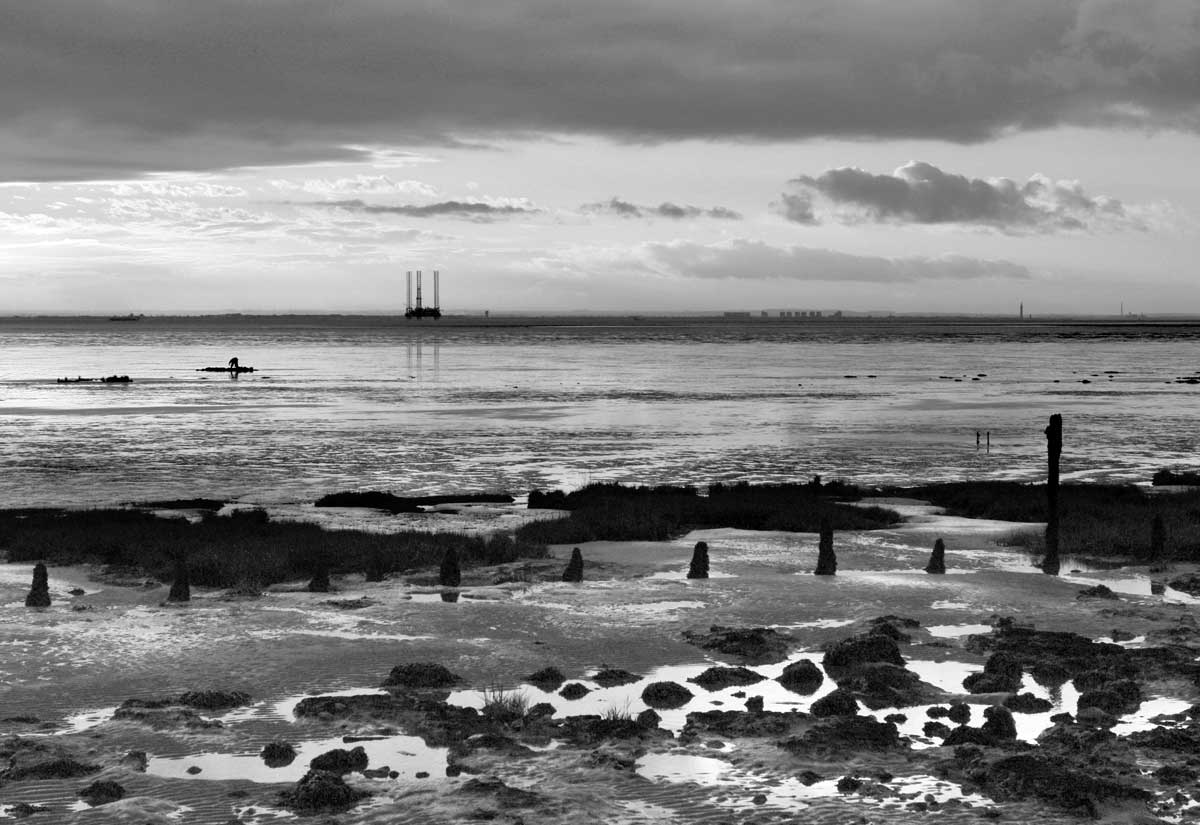 |
| Bait digging on the Humber, 2010. |